UNSW Embryology

RESPIRATORY SYSTEM

Embryology Home Page

Page 1 | 2 | 3 | 4 | 5 |WWW

Page LinksHuman Embryo-TracheaHuman Embryo-Lung

Page 1 | Introduction
Page 2 | Abnormalities | OMIM | Questions | Medline
Page 3 | Pig Stage 13/14
Page 5 | Selected Human highpower | Text only page | WWW Links

Human Embryo-Trachea

Clicking on the section number will open the full image.

A5: Bridge of nose. R and L olfactory bulbs from forebrain (cf. A4).

A6: Nose. Nasal septum. Nasal capsule. Olfactory epithelium lining roof of nasal cavity. Orbital part of the developing sphenoid bone (intramembranous ossification).

A7: Conchae. Nasal capsule and septum.

B1: Conchae. Optic nerve.

B2: Perpendicular plate of ethmoid cartilage. Adenohypophysis. Neurohypophysis. Ant. and post. walls of hypopophysial fossa. Lesser wings of sphenoid cartilage. Internal carotid arteries.

B4: Dorsum of tongue. Oropharynx communicating with naso-pharynx (cf. B3 - palatal processes not fused).

B5: Tongue with palatal processes at either side. Transverse (intrinsic) muscle of tongue.

Pharyngotympanic tubes.

B6: Tongue with transverse muscle, genioglossus muscle (medial) and hyoglossus muscle (lateral). Meckel's cartilage. Palatal processes. Note teeth enamel organs (dark masses at sides of tongue attachment).

B7: Transverse caudal pharynx. epiglottis. Hyoid musculature. Pharyngeal constrictor muscle. Submandibular gland.


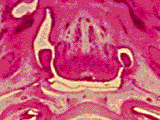
C1: Pharynx. Pharyngeal constrictor muscle. laryngeal caecum (ventral). Arytenoid swellings in contact. Thyroid cartilage laminae (anterolateral), with superior horns (posterolateral). Hyoid cartilage. Internal jugular veins.

"Muz's cheshire cat"

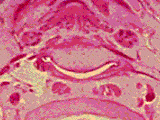
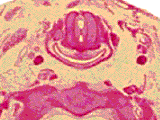
C2: Pharynx. Thyroid cartilage. Smaller laryngeal caecum (cf.C1). Carotid neurovascular bundle.

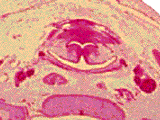
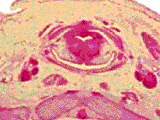
C3: Pharynx with its inferior constrictor muscle. Glottis region.

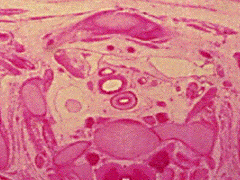
C4: (Section damaged) Oesophagus with muscle layer and trachea with thyroid gland laterally. Common carotid arteries. Vagus nerve. Internal jugular veins.

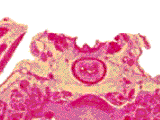
C5: Oesophagus, smaller than in C4. Trachea. Thyroid gland (isthmus). Clavicle. Small dark masses near posterolateral borders of thyroid gland are the parathyroid glands from the caudal part of 3rd pharyngeal pouch.

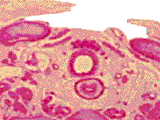
C6: Clavicles. Dark connecting stalk between parathyroid gland and thymus (rostral end of 3rd pharyngeal pouch). Trachea. Common carotid artery.

Human Embryo-Lung

Clicking on the section number will open the full image.

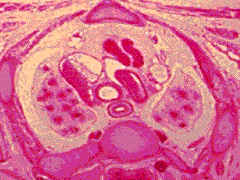
C7: Sternum. Thymus gland. L brachiocephalic vein. Brachiocephalic trunk. Trachea.

Oesphagus. Apex of R lung in pleural cavity

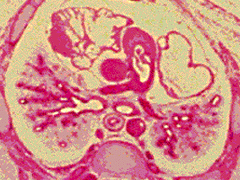
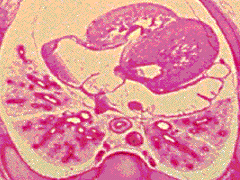
Dl: Sternum. Thymus. Lungs. Visceral and parietal pleurae. Pleural cavities. Other contents of superior mediastinum.

D3: Tracheal bifurcation.

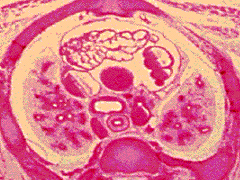
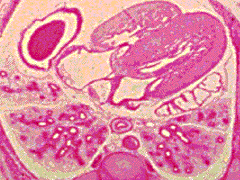
D4: R primary bronchus (torn) and R superior lobe bronchus. L primary bronchus. L, R pulmonary arteries. Ribs joining to sternum.

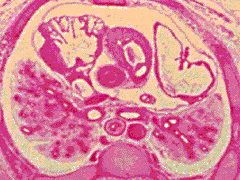
D5: R, L primary bronchi. R anterior and posterior segmental bronchi coming off R superior lobe bronchus. L, R pulmonary arteries. Hilar attachments of lungs to mediastinal tissues - note extent of R, L pleural cavities.

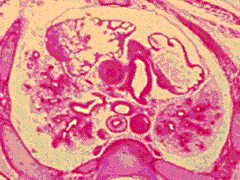
D6: R, L primary bronchi (note left still has not branched). R pulmonary artery.

D7: R, L primary bronchi: note distinct horizontal course of L, vertical course of R, L pulmonary veins (L empty). R pulmonary artery.

E1,E2: Pulmonary veins. Azygos, hemiazygos veins. Ribs. Intercostal muscles.

E2: Pulmonary veins. Azygos, hemiazygos veins. Ribs. Intercostal muscles.

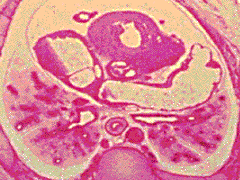
E3: R dome of diaphragm. Liver. R long middle and inferior lobes. L long superior and inferior lobes. Xiphoid process.

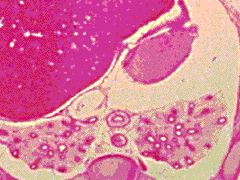
E4: Diaphragm (note costal attachment). R lung inferior lobe. Inferior vena cava, dorsal to diaphragm.

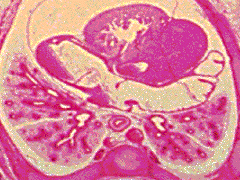
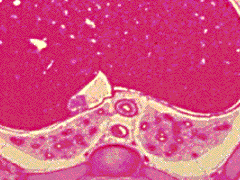
E5: Liver. Diaphragm with sternal attachments. Inferior vena cava, now ventral to diaphragm (vena caval foramen). Inferior lobes of lungs.

E6: Liver. Thoracic aorta. Large adrenal glands.

E7: Lumbar diaphragm. Thoracic aorta. Note ribs 11 and 12 on L and three layers of abdominal muscles extending ventrally.

Fl: Lumbar diaphragm. Thoracic aorta.

F2: Attachment of lumbar diaphragm near L 1 on R with psoas muscle dorsal to it. Note abdominal aorta giving rise to superior mesenteric artery.

About Notes

  • Lecture notes from the Anat 3311 1997 Science Embryology course compiled and written by Dr Mark Hill. Some notes derived from historic class notes.
  • Note Links to OMIM Entries are copies of originals for computers without internet access. Computers with internet access can directly access the database.

Links

Serial Sections Homepage
Human Homepage
Pig Homepage

m.hill@unsw.edu.au
Date Last Modified: 11/3/99
This site maintained by Dr M. Hill